
The Future of Branding: Theme-Based + AI Marketing
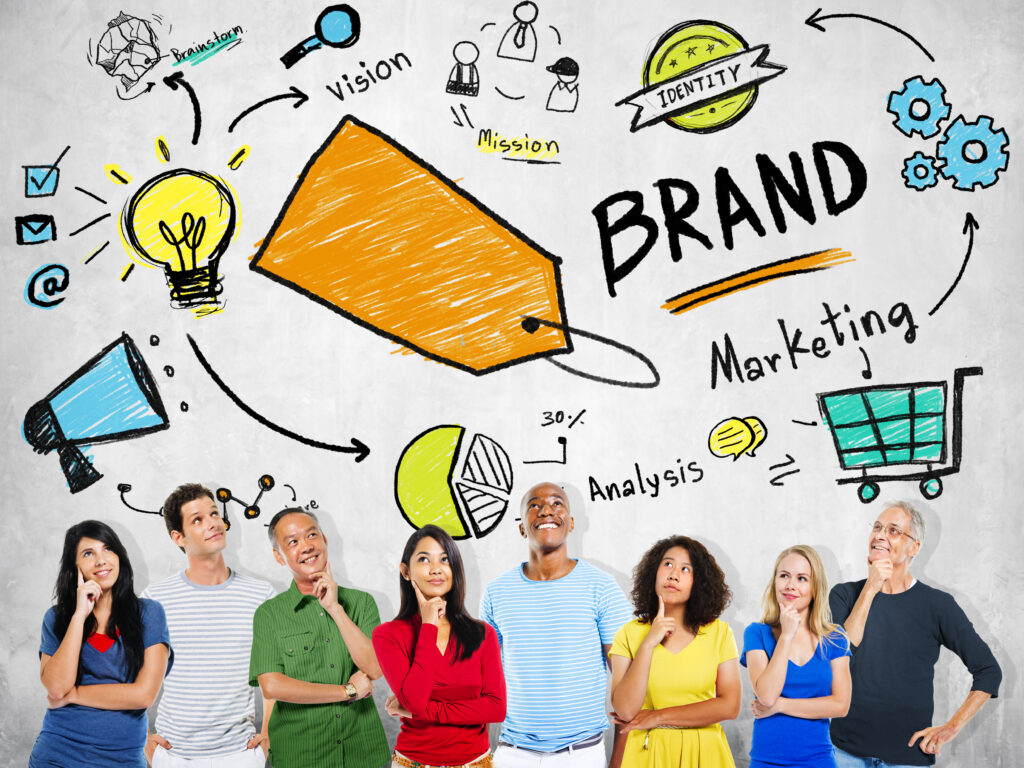
In 2025, branding is no longer just about visual identity or catchy taglines — it has evolved into an emotionally resonant, AI-powered experience. Two key drivers are now shaping the future:
Theme-Based Branding — where brands lead with moods, cultural vibes, and emotional narratives.
AI Marketing Integration — leveraging tools that deliver personalization, automation, and immersive storytelling at scale.
Let’s explore what’s changing — and how your brand can lead with both style and tech.
1. Rise of Theme-Based Branding & “Vibe Marketing”
A new marketing ethos is emerging — Vibe Marketing. According to reports, it blurs the line between idea and execution, starting with a mood, emotion, or cultural cue rather than data points. AI then translates that creative vision directly into content — eliminating barriers between concept and output.
This marks a shift from demographic targeting to aesthetic and emotional resonance, democratizing creative marketing and putting “taste economy” in the spotlight.
(TechRadar)
Takeaway: Branding moving forward isn’t just strategic — it’s atmospheric. The emotional vibe matters more than ever.
2. AI-Powered Personalization at Scale
Generative AI isn’t just a tool anymore — it’s a creative co-pilot. From Adobe’s AI marketing agents that tailor content based on visitor behavior (like TikTok vs search traffic), to Infosys and Adobe’s joint AI-powered marketing suite, the future of branding is hyper-personal, automated, and deeply contextual.
(Reuters, The Economic Times)
What it means for brands: Expect messaging that changes in real time, adaptive campaigns that feel handcrafted, and AI-enabled content—without losing emotional authenticity.
3. AI-Generated Conversational Shopping — Controlled Branding, Elevated UX
Ralph Lauren’s new “Ask Ralph” tool offers a masterclass in maintaining a brand vibe via AI. Built in partnership with Microsoft’s Azure OpenAI, this feature offers on-brand outfit recommendations in a conversational format. The result: high personalization that still feels distinctly “Ralph Lauren.”
(Vogue Business)
Lesson: Brands will win by embedding AI into interfaces—but keeping full creative control to preserve brand identity.

4. Infrastructure, Not Just Aesthetics: AI-Compatible Brand Core
Techradar’s “Commerce Without Clicks” highlights how checkout and visibility now happen within generative AI ecosystems. Brands no longer rely solely on websites—AI systems interpret structured data to decide what products get surfaced.
Success depends on back-end infrastructure that serves brand identity in machine-readable form.
(TechRadar)
Strategic insight: To remain visible and authentic, your brand must encode its identity within structured data formats that AI systems understand.
5. Trend Deep Dive: Branding in 2025 & Beyond
Here’s a snapshot of the biggest themes currently shaping the branding landscape:
- Human-Centered AI Branding — Think voices with empathy, not robotic tone. Conversation matters.
(LinkedIn)
- Nostalgia + Futurism — Throwback aesthetics like Y2K intertwined with sleek futurist elements.
(LinkedIn)
- Interactive Storytelling — Brands deploy gamified experiences, AR filters, and narrative-driven engagement.
(LinkedIn)
- AI-Generated Visual Content — From logos to short videos, brands are leaning on AI for rapid, on-brand media output.
(Viartisan, Zemndesign)
- Hyper-Personalization — Dynamic visuals, messaging, and UX that shift based on real-time user behavior.
(Zemndesign, ContentGrip, Taboola.com)
- Voice & Sonic Branding — Audio identities powered by AI-enhanced synthesized voices are trending.
(LinkedIn, ContentGrip)
Immersive Branding (AR/VR) — Virtual try-ons, showroom experiences, and metaverse brand touchpoints proliferate.
(Tely Blog, WhaTech)

6. Academic Insight: AI Tools That Respect Brand Themes
Research in HCI emphasizes the value of structured AI creative tools. ACAI (AI Co-Creation for Advertising and Inspiration) supports creators by breaking design tools into modules—branding, goals, inspiration—ensuring creative outputs align with brand vision.
(arXiv)
Another model proposes agent-based multimodal advertising frameworks that auto-generate culturally relevant, persona-based ads using retrieval-augmented generation (RAG) plus multimodal reasoning.
(arXiv)
Takeaway: Effective AI branding tools don’t just generate—they interpret and align with brand themes and values.
7. Trendsetters and Brand Voices on Reddit
“AI-driven campaigns, smart analytics, chatbots, automated creative—AI is the backbone of marketing in 2025.”
(Reddit)
“Authenticity wins. AI is for efficiency; human creativity connects emotionally.”
(Reddit)
Why it matters: These sentiments reflect real marketer priorities — blending AI power with human authenticity.
Summary: Why Theme-Based + AI Branding Wins Now
Innovation
Brand Advantage
Vibe Marketing
Emotional resonance leads engagement; it humanizes AI execution.
AI Personalization
Custom messaging at scale enhances relevance and loyalty.
Conversational AI Tools
Shapes brand presence seamlessly inside digital experiences.
AI-Aware Infrastructure
Ensures discovery inside AI ecosystems—not just via websites.
Interactive Design + Nostalgia Blend
Keeps branding immersive, memorable, and on trend.
Structured AI Tools
Preserves brand fidelity in automated environments.
Final Thoughts & Recommendations
To own the future of branding, brands must
Design around emotions, moods, and cultural resonance — not just demographics.
Embed AI-enabled interactions that feel personal and brand-aligned.
Invest in data infrastructure geared for AI discovery and immersive UX.
Blend nostalgia with futurism, and interactivity with aesthetic intuition.
Use structured AI tools that support brand co-creation, not random outputs.
Would you like this reframed into a website landing page or visual-ready blog format, complete with vivid headers, iconography, and actionable sidebars?